If you keep asking yourself why does circuit breaker keep tripping, the short answer is this: your circuit is drawing more current than it was designed to handle, or there is a wiring fault somewhere in the system. Most tripping issues fall into three categories: overloaded circuits, short circuits, or ground faults.
In this post, we break down each cause, explain the warning signs, and tell you exactly what you can fix yourself and what needs a licensed electrician. We work with homeowners and businesses across Tulsa, Owasso, Broken Arrow, Jenks, Claremore, and the surrounding area every day, so this advice is grounded in real local experience.
Understand What a Circuit Breaker Actually Does
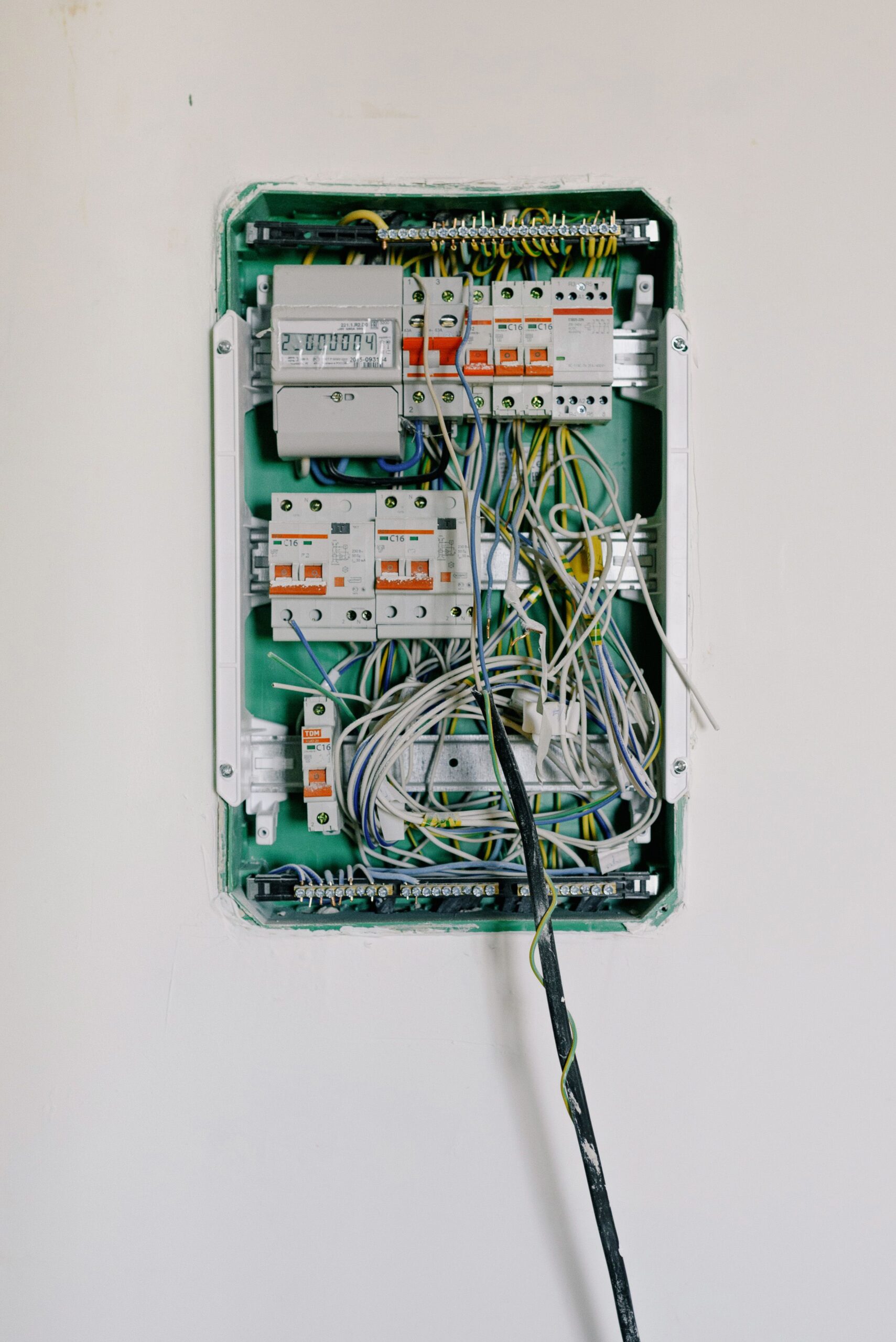
A circuit breaker is a safety device. Its job is to cut power to a circuit when the electrical current exceeds a safe level. Without it, excess current would overheat wiring, melt insulation, and potentially start a fire.
Breakers are rated in amps. Common ratings in residential homes are 15-amp and 20-amp breakers for general circuits, 30-amp for dryers, and 50-amp for electric ranges. When current exceeds that rating, the breaker trips and breaks the circuit.
A breaker that trips occasionally is doing its job. A breaker that trips repeatedly is telling you something is wrong, and that signal should not be ignored.
Identify the Top Reason: Circuit Overload
An overloaded circuit is the most common reason why does circuit breaker keep tripping in homes across Glenpool, Catoosa, Coweta, and Sapulpa. It happens when too many devices draw power from the same circuit at the same time.
Here is a simple example. A 15-amp circuit can safely handle about 1,440 watts continuously. If you are running a space heater, a hair dryer, and a lamp all on the same circuit, you can easily exceed that limit and trip the breaker.
Signs Your Circuit Is Overloaded
- The breaker trips shortly after you reset it
- Multiple appliances on the same circuit stop working at once
- Lights flicker before the breaker trips
- Outlets feel warm to the touch
- A burning smell near outlets or the panel
How to Fix an Overloaded Circuit
- Unplug devices and spread them across different circuits
- Avoid running high-draw appliances like space heaters and hair dryers on the same circuit
- Have an electrician add a dedicated circuit for large appliances
- Upgrade your electrical panel if you consistently run out of circuit capacity
Older homes in Muskogee, Wagoner, and Inola sometimes have panels originally designed for far fewer appliances than modern households use. If your home was built before 1990, an electrical audit from Hot Shot Electric, LLC is worth scheduling.
Recognize a Short Circuit and Why It Is Serious
A short circuit happens when a hot wire touches a neutral wire inside an outlet, appliance, or your wiring. This creates a sudden surge of current that trips the breaker almost instantly. Unlike an overload, a short circuit is not about too many devices. It is a direct wiring fault.
Short circuits can happen inside an appliance you just plugged in, or they can be in the wiring inside your walls. Both situations are dangerous and can cause fires if the breaker fails to do its job.
Warning Signs of a Short Circuit
- The breaker trips immediately when you flip it back on
- You hear a popping sound when the breaker trips
- You see scorch marks or black residue around an outlet
- There is a burning smell that does not go away
If you suspect a short circuit in your wiring rather than in an appliance, stop using that circuit and call a licensed electrician right away. Hot Shot Electric, LLC responds to these calls throughout Verdigris, Sperry, Broken Arrow, and the greater Tulsa metro area.
Compare Circuit Problems: Overload vs. Short Circuit vs. Ground Fault
It helps to know the difference between the three main causes before you start troubleshooting. The table below lays them out clearly.
| Problem Type | What Causes It | How Fast Breaker Trips | DIY Fix Possible? |
|---|---|---|---|
| Circuit Overload | Too many devices on one circuit | After a few minutes of use | Yes, redistribute devices |
| Short Circuit | Hot wire contacts neutral wire | Instantly on reset | Only if inside an appliance |
| Ground Fault | Hot wire contacts ground or grounded surface | Instantly on reset | No, call an electrician |
| Faulty Breaker | Worn or damaged breaker | Randomly, without obvious cause | No, requires panel work |
Knowing which category your issue falls into saves time and helps you explain the problem clearly when you call for service.
Understand Ground Faults and GFCI Protection
A ground fault occurs when a hot wire makes contact with a grounded surface or the ground wire itself. This can happen inside a wall, inside a fixture, or at an outlet. Ground faults are especially dangerous near water, which is why kitchens, bathrooms, garages, and outdoor outlets are required to have GFCI protection under current electrical codes in Oklahoma.
A GFCI outlet has its own built-in breaker that trips in milliseconds, much faster than a standard panel breaker. If your GFCI outlet keeps tripping, it is detecting a real fault. Do not simply reset it repeatedly without finding the cause.
If you live in Jenks, Claremore, or Owasso and your home was built or renovated in the last 10 to 15 years, you likely have GFCI protection in the right places. Older homes may not, and that is a code and safety issue worth addressing.
Check for a Failing or Worn-Out Breaker
Breakers do not last forever. A standard circuit breaker has a lifespan of around 30 to 40 years, but breakers that trip frequently wear out faster. A failing breaker may trip even when the circuit load is well within its rated capacity.
This is a tricky one to diagnose without electrical testing equipment. If you have already ruled out overloads and faults, and the breaker still trips randomly, the breaker itself may need replacement.
| Breaker Age | Condition | Recommended Action |
|---|---|---|
| Under 10 years | Trips occasionally under load | Check for overload or fault first |
| 10 to 25 years | Trips without clear cause | Have it tested by an electrician |
| 25 to 40 years | Any tripping | Consider panel inspection and replacement |
| Over 40 years | Any issue at all | Full panel evaluation strongly recommended |
Homes in Wagoner, Muskogee, and parts of older Tulsa neighborhoods often have original panels from the 1970s or 1980s. Some of these panels, including brands like Federal Pacific and Zinsco, have known safety issues and should be evaluated by a professional.
Know What You Can Fix Yourself and What Requires a Pro
There are a few things you can safely do on your own when a breaker trips. But there are clear limits, and crossing them puts your home and your family at risk.
Safe DIY Steps
- Unplug all devices on the tripped circuit before resetting the breaker.
- Reset the breaker by pushing it fully to the OFF position, then back to ON.
- Plug devices back in one at a time to identify what is causing the overload.
- Test and reset GFCI outlets using the TEST and RESET buttons on the outlet face.
- Check if a recently plugged-in appliance is the source of a short circuit.
When to Call Hot Shot Electric, LLC
- The breaker trips immediately every time you reset it
- You smell burning or see scorch marks anywhere near outlets or the panel
- Multiple breakers are tripping at the same time
- Your main breaker is tripping
- You need a new dedicated circuit added for an appliance
- Your electrical panel is over 25 years old
Working inside an electrical panel is not a DIY task. Hot Shot Electric, LLC is licensed and insured to handle panel work, circuit additions, and fault diagnosis throughout the Tulsa metro area, including Broken Arrow, Glenpool, Catoosa, and Coweta.
FAQs on Why Does Circuit Breaker Keep Tripping
Why does my circuit breaker keep tripping with nothing plugged in?
If a breaker trips even with nothing plugged in, the problem is likely a short circuit or ground fault in the wiring itself, not in an appliance. This requires professional diagnosis. Do not continue resetting the breaker until a licensed electrician has inspected the circuit.
Is it dangerous to keep resetting a tripping circuit breaker?
Resetting a breaker once to identify the problem is fine. Repeatedly resetting it without fixing the underlying cause is dangerous. The breaker exists to protect your wiring from overheating, and bypassing its warnings increases the risk of an electrical fire.
Can a tripping breaker be caused by a bad outlet?
Yes. A failing outlet with damaged wiring can create a short circuit or ground fault that trips the breaker on that circuit. If you notice a specific outlet that feels warm, has discoloration, or sparks when you plug something in, stop using it and call an electrician.
How much does it cost to fix a tripping circuit breaker?
If the fix is simply redistributing load, there is no cost. Replacing a single breaker typically runs between $150 and $300 with labor included. Adding a dedicated circuit usually costs $200 to $500 depending on your home’s layout. A full panel replacement in the Tulsa area ranges from $1,500 to $3,500 or more.
Why does my breaker trip at night but not during the day?
This often points to a specific appliance running on a timer or schedule, like an HVAC system, a water heater, or a refrigerator cycling on. It can also indicate a wiring issue that worsens under thermal conditions. Track which devices are running when it trips and share that information with your electrician.
Do Oklahoma building codes require GFCI outlets in specific locations?
Yes. Oklahoma follows the National Electrical Code, which requires GFCI protection in bathrooms, kitchens, garages, outdoor outlets, basements, and near pools or wet bars. If your home in Owasso, Claremore, or Sapulpa is missing GFCI outlets in these areas, it may not meet current code standards.
Wrap Up and Next Steps
A circuit breaker that keeps tripping is not something to ignore or work around. It is your electrical system telling you that something needs attention, whether that is an overloaded circuit, a faulty appliance, aging wiring, or a worn-out breaker.
Most overload issues can be solved quickly by redistributing devices, but short circuits, ground faults, and panel problems require a licensed professional. The good news is that most of these problems have straightforward solutions when caught early.
Hot Shot Electric, LLC serves homeowners and businesses throughout Owasso, Tulsa, Broken Arrow, Jenks, Claremore, Glenpool, Catoosa, Coweta, Wagoner, Muskogee, Verdigris, Inola, Sapulpa, Sperry, and the surrounding communities. Call us at 9182618024 to schedule a diagnostic visit or get a quote for panel work, circuit additions, or any electrical concern in your home.